A Tribute to Scott Adams

A Tribute to Scott Adams

Scott Adams, the creator of the satirical comic strip Dilbert, died on Tuesday, January 13, 2026, at the age of 68. Marking the end of a career that left a lasting imprint on how engineers and technologists understand organizational dysfunction. For much of my professional career, Adams occupied a unique and, frankly, useful place in the engineering world. Through Dilbert, he became a satirist of corporate dysfunction, an informal organizational theorist, and a cultural translator between engineers and executives. His work gave voice to frustrations that many technical professionals experienced daily but struggled to articulate within hierarchical organizations

What Boeing’s Woes Can Teach Us About Systems Engineering Risk Practices

What Boeing’s Woes Can Teach Us About Systems Engineering Risk Practices

Boeing’s recent safety issues highlight how small, accepted risks can accumulate into enterprise-level failure. This article explores what Boeing’s experience teaches systems engineers about risk aggregation, tolerance, culture, and governance—and why disciplined, integrated risk management is essential in complex systems.

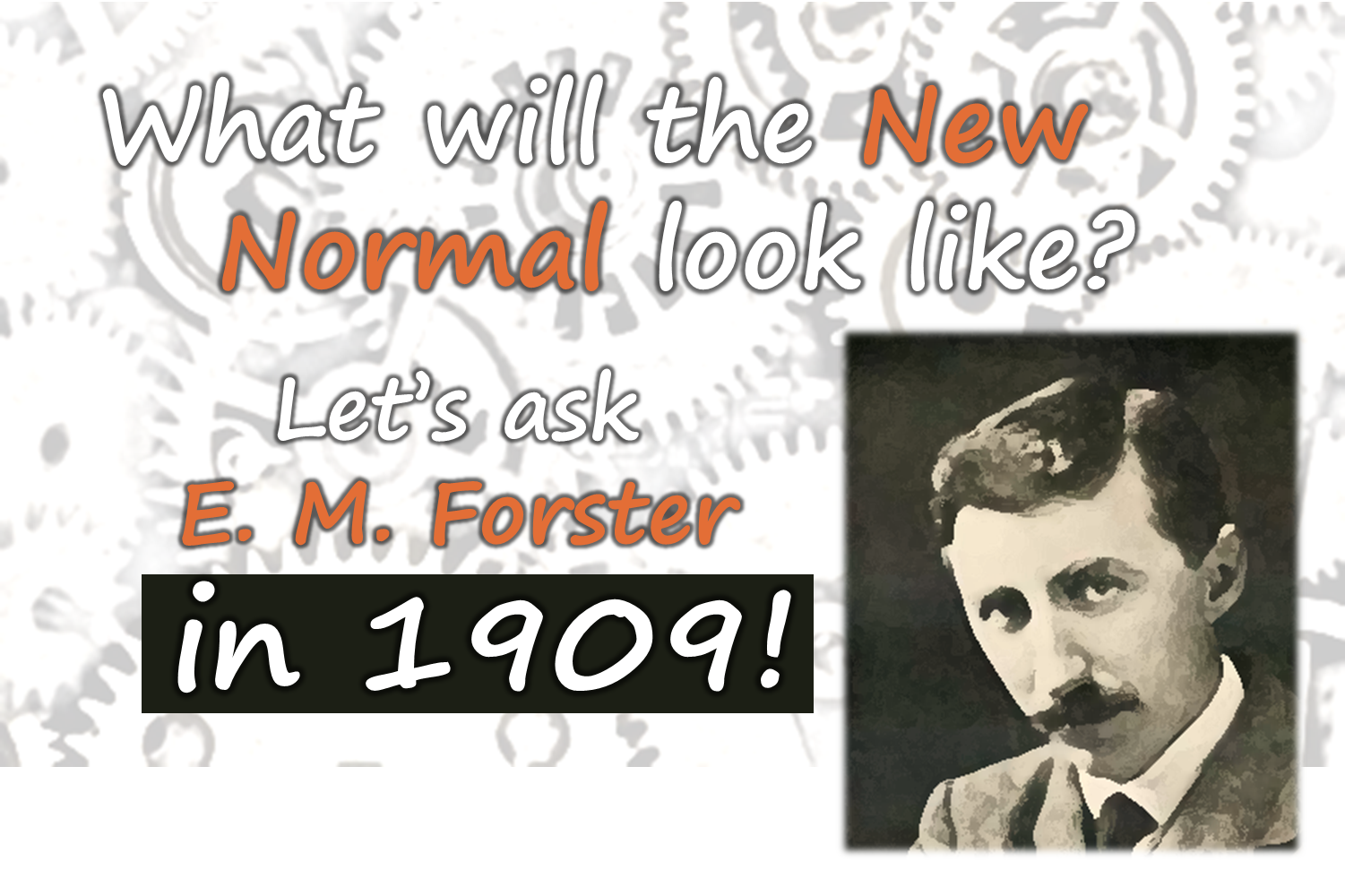
What will the New Normal look like?

What will the New Normal look like?

In 1909, E.M. Forster wrote a short story in which humans live in isolation and only communicate through a machine. Could this be the ConOp of our Future? A blueprint for what the New Normal will look like? Let’s take a closer look at the world of “the Machine Stops”

Addressing the future with a better ConOp (or is it better humans we need?)

Addressing the future with a better ConOp (or is it better humans we need?)

My daughter Stephanie graduated from MIT this year and I got to hear Sheryl Sandberg, Facebook COO and best-selling author, give the Commencement address. Her message was about the effects of Technology on the Society and the World, what I heard … We Need a Better ConOps!

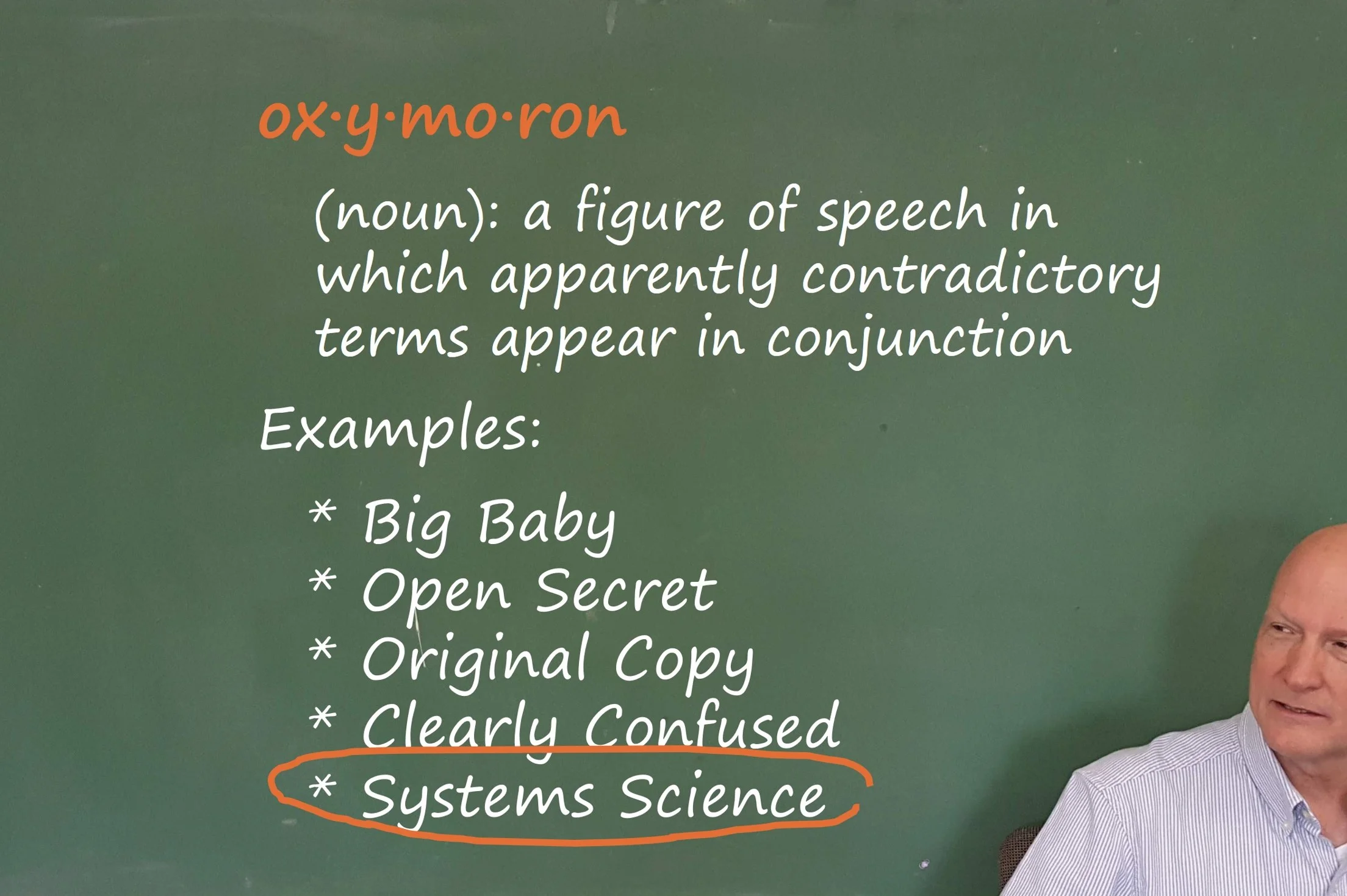
Systems Science — an oxymoron?

Systems Science — an oxymoron?

How is Systems Science an oxymoron? It may come from the fact that studying Systems requires a holistic perspective whereas the fundamental concept of Science is looking at things in a reductionist manner. So how do you reconcile these two fundamentally different approaches into one discipline?  Maybe the key is looking and seeing “systems’ everywhere.