
Clean Cars, Hidden Costs, and the Stakeholders Nobody Mapped
The electric vehicle supply chain stretches from a showroom in California to a cobalt mine in eastern Congo, and most of the people in between never appear on a requirements document. This piece starts with a classroom question about a cow and ends with a mine collapse, and the Systems Engineering lesson connecting them is the same one the INCOSE SE Handbook has been making all along: your stakeholders are everyone your system affects, not just the ones who are easy to find.
When Your System Knows Something You Don’t
In March 2016, Go world champion Lee Sedol walked away from the board mid-match. He needed fifteen minutes alone to process a move that no human player would have considered, made by an AI system whose engineers could not fully explain why it had chosen it. That moment is still one of the most striking illustrations of what happens when a system develops an internal logic that outgrows its designers’ ability to describe it. This piece looks at what Move 37 still has to teach Systems Engineers about complexity, opacity, and the limits of understanding the systems we build.
Test. Fail. Revise. Repeat.
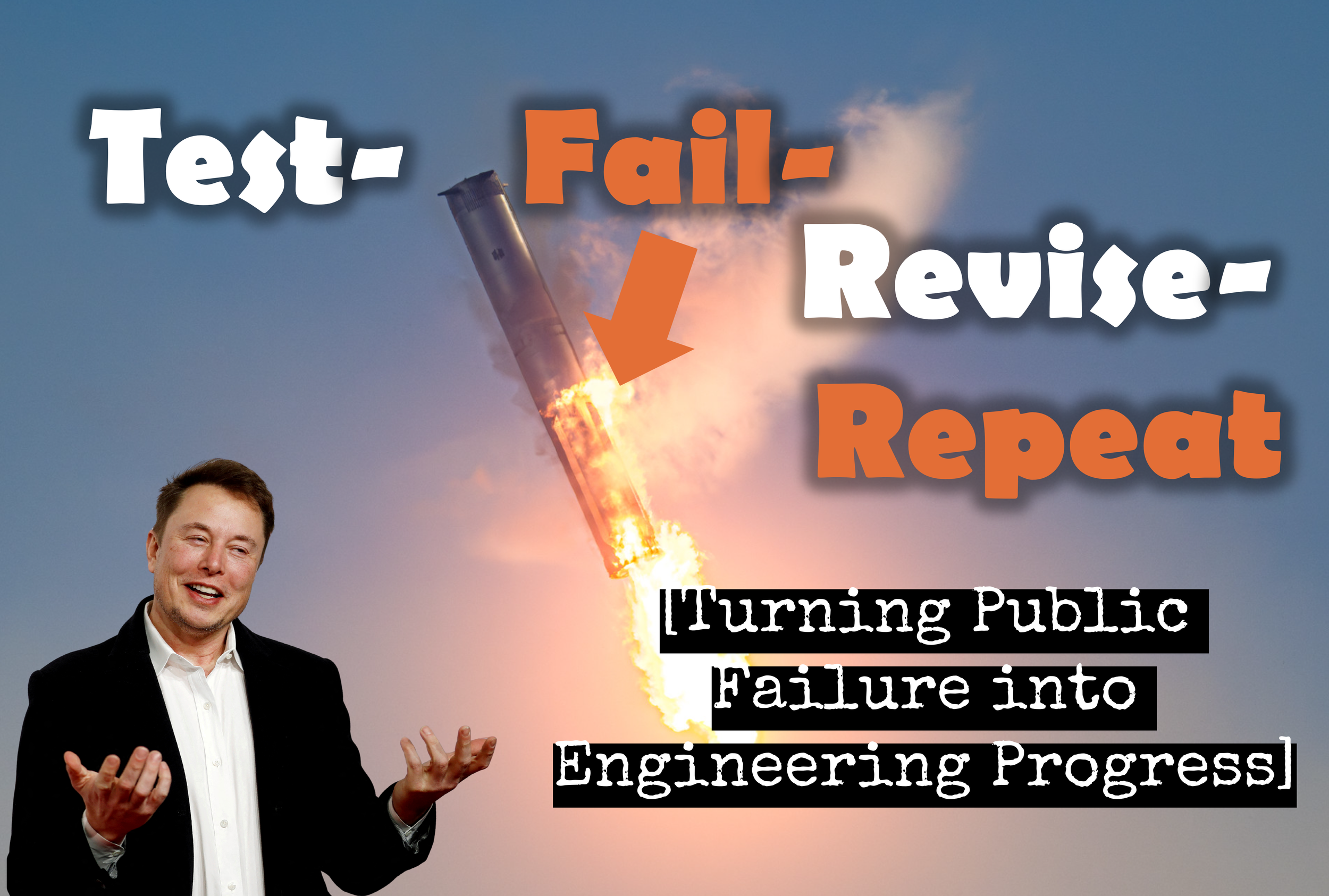
Failure has come up on this blog before. It keeps coming up because disciplined learning from failure is one of the things that separates good systems engineering from the kind that produces dramatic footage. SpaceX's Starship test program is the current headline version of a problem systems engineers have always faced: how do you turn a visible, expensive failure into a genuine engineering asset rather than just a press release? This piece works through that question using the INCOSE SE Handbook's verification framework, and there is a free checklist at the bottom if you want a practical tool for doing it on your own program.
The Singularity Has a Support Problem
The Singularity debate is long on capability and short on maintenance. I know this pattern. I saw it at an air show thirty years ago when I asked a stealth fighter pilot if his aircraft was hard to maintain and he said “You have no idea.” No system escapes the life cycle. It just shifts where the cost and friction eventually show up. This piece examines what the AI acceleration narrative keeps leaving out, and what systems engineers are specifically trained to ask about it.